
Introduction
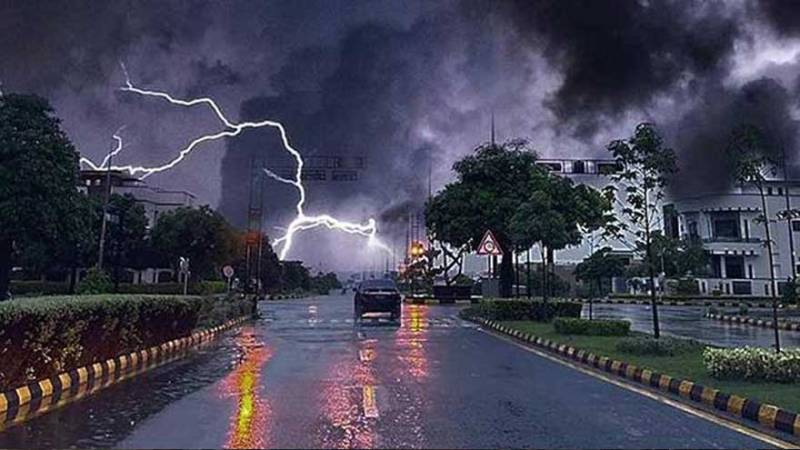
Weather alert information in Pakistan cities is used for planning daily activity, transport, agriculture, and public safety. Pakistan has different weather conditions across regions. Northern areas, southern coastal areas, and central plains do not follow the same pattern. Weather changes depend on wind systems, temperature shifts, and seasonal movement.
This article explains the latest weather alert concept for major Pakistan cities. It also explains how weather patterns affect daily life, travel, farming, and city services. The focus is on information that can help people understand weather updates in Pakistan cities.
Weather system in Pakistan
Pakistan weather is affected by different systems:
- Western disturbance system
- Monsoon system
- Dry continental air
- Local heat system
These systems affect rain, temperature, wind, and humidity. The impact is not the same in all cities. Some cities receive rain while others remain dry.
Northern areas receive cold air during winter. Southern areas remain warm for most months. Central areas experience mixed conditions.
Weather alert meaning in Pakistan cities
Weather alert means information about possible change in weather conditions. It can include:
- Rain forecast
- Temperature rise or drop
- Wind speed changes
- Flood risk in some areas
- Fog conditions in winter
Authorities use weather alerts to inform people in advance. This helps in transport planning, school planning, and emergency planning.
Weather condition in Karachi
Karachi is a coastal city. Weather conditions here depend on sea winds.
Main weather patterns in Karachi:
- High temperature in summer
- Humidity during most months
- Rain during monsoon season
- Wind changes near coastal belt
Weather alerts in Karachi often relate to rain and heat. Heavy rain can affect roads and drainage systems.
Weather condition in Lahore
Lahore is in Punjab region. Weather changes in Lahore are clear across seasons.
Main patterns:
- Hot weather in summer
- Fog in winter
- Rain during monsoon
- Dust in dry periods
Weather alerts in Lahore often focus on fog in winter and rain in monsoon season. Fog can reduce visibility on roads.
Weather condition in Islamabad
Islamabad is near hills. Weather is different from plains.
Main patterns:
- Mild summer compared to other cities
- Cold winter season
- Rain throughout year
- Wind during seasonal change
Weather alerts in Islamabad often include rain updates and temperature drop in winter.
Weather condition in Peshawar
Peshawar is in Khyber Pakhtunkhwa region. It has dry and hot conditions.
Main patterns:
- Hot summer temperature
- Cold winter season
- Low rainfall
- Dust storms in some months
Weather alerts in Peshawar often include heat and wind conditions.
Weather condition in Quetta
Quetta is in a high altitude region. Weather is colder compared to other cities.
Main patterns:
- Cold winter season
- Snow in nearby areas
- Dry air
- Low rainfall
Weather alerts in Quetta often include snow and cold wave updates.
Weather condition in Multan
Multan is a central city in Punjab.
Main patterns:
- High temperature in summer
- Dry weather
- Mild winter
- Limited rainfall
Weather alerts in Multan usually focus on heat level and dry conditions.
Weather condition in Faisalabad
Faisalabad is an industrial city in Punjab.
Main patterns:
- Hot summer season
- Fog in winter
- Rain during monsoon
- Dust in dry season
Weather alerts in Faisalabad often include fog and heat conditions.
Monsoon impact on Pakistan cities
Monsoon season affects many Pakistan cities. Rain enters from different directions and spreads across plains.
Impact includes:
- Road water accumulation
- Flood risk in low areas
- Agriculture water supply increase
- Transport delay in cities
Cities like Lahore, Karachi, and Islamabad receive different levels of rainfall during monsoon.
Heat wave conditions in Pakistan
Heat waves occur in summer months. These conditions affect many cities in Punjab and Sindh.
Main effects:
- High temperature in daytime
- Water shortage in some areas
- Increased electricity demand
- Health impact for outdoor workers
Weather alerts during heat wave help people adjust daily activity.
Fog conditions in Pakistan cities
Fog is common in winter months, especially in Punjab.
Affected cities:
- Lahore
- Faisalabad
- Gujranwala
- Sialkot
Fog reduces visibility on roads and affects transport schedules. Weather alerts are used to inform drivers and transport services.
Rain and flood alerts
Rain alerts are issued when weather systems show rainfall activity. Flood alerts are issued when water level increases in rivers or drainage areas.
Main areas affected:
- River regions in Punjab
- Coastal areas in Sindh
- Hill areas in Khyber Pakhtunkhwa
Weather alerts help reduce damage risk by informing people early.
Agriculture impact of weather alerts
Agriculture in Pakistan depends on weather conditions.
Weather affects:
- Crop growth
- Water supply
- Soil condition
- Harvest timing
Farmers use weather alert information to plan irrigation and harvesting.
Transport impact in Pakistan cities
Weather conditions affect transport system.
Examples:
- Fog delays flights and road travel
- Rain causes road blockage
- Heat affects vehicle performance
Cities with high traffic depend on weather updates for planning movement.
Health impact of weather conditions
Weather changes affect human health.
Common effects:
- Heat stress in summer
- Cold-related illness in winter
- Breathing issues during dust
- Water-related illness after rain
Weather alerts help people take care of health conditions.
Government role in weather alerts
Government departments provide weather updates through meteorological services. These updates are shared through media, mobile alerts, and public announcements.
Purpose:
- Inform public
- Reduce risk
- Support emergency services
- Guide transport and agriculture sectors
Importance of weather alerts in daily life
Weather alerts support daily decisions in Pakistan cities:
- School attendance planning
- Work scheduling
- Travel decisions
- Farming activity
- Emergency preparation
People depend on weather information for safety and planning.
Weather forecasting system in Pakistan
Weather forecasting is done using:
- Satellite data
- Radar systems
- Ground stations
- Climate models
These systems collect data and predict weather conditions for coming days.
Conclusion
Latest weather alert information in Pakistan cities is important for daily life planning. Different cities in Pakistan have different weather patterns. Coastal areas, plains, and northern regions do not follow the same conditions. Weather alerts help people prepare for rain, heat, fog, and seasonal changes.
Understanding weather conditions in Karachi, Lahore, Islamabad, Peshawar, Quetta, Multan, and Faisalabad supports better planning in transport, agriculture, and health. Weather alert systems continue to play a role in public safety and information flow across Pakistan cities.