
Introduction
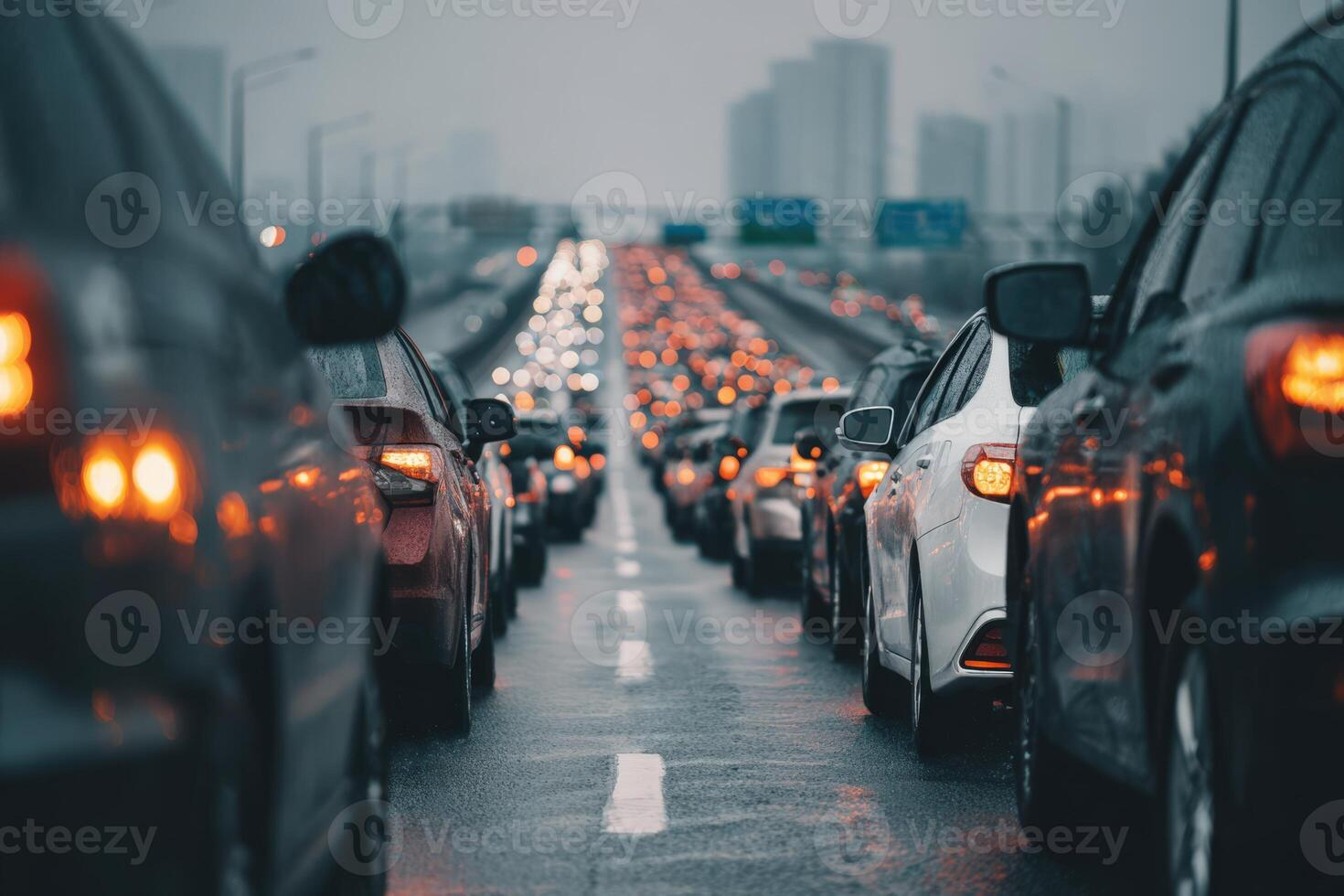
Traffic and road situation updates refer to information about movement of vehicles, road conditions, congestion level, and travel time changes on roads and highways. These updates are used by drivers, transport companies, emergency services, and daily commuters to plan travel.
Road systems in cities and highways change throughout the day. Traffic flow depends on population movement, road construction, accidents, weather, and transport system behavior. This article explains traffic and road situation updates in detail.
Meaning of traffic and road situation updates
Traffic and road situation updates are reports that show:
- Road congestion level
- Vehicle movement status
- Road blockage information
- Accident reports
- Construction activity on roads
- Travel time changes
These updates help in planning routes and reducing travel delays.
How traffic updates are collected
Traffic updates are collected from different sources.
Main sources include:
- Traffic police reports
- Road cameras
- GPS systems
- Mobile navigation apps
- Public reporting systems
These systems send real-time information about road conditions.
Role of traffic control systems
Traffic control systems manage road movement in cities. These systems monitor roads and send updates.
Functions include:
- Monitoring vehicle flow
- Managing signals
- Reporting congestion
- Handling incidents
Traffic control centers help reduce road problems.
Urban traffic situation
Urban areas have high vehicle density. Traffic situation changes frequently due to daily movement.
Common conditions:
- Morning office rush
- School transport movement
- Evening return traffic
- Market area congestion
Cities with high population face continuous traffic updates requirement.
Highway traffic situation
Highways connect cities and support long-distance travel. Traffic situation on highways depends on:
- Freight transport
- Passenger buses
- Road conditions
- Toll operations
Accidents or breakdowns affect highway movement for long hours.
Road construction and traffic impact
Road construction affects traffic flow. When construction work is active:
- Lane reduction occurs
- Speed limit changes
- Traffic diversion happens
These changes create delay in travel time.
Accident impact on traffic flow
Road accidents are a major reason for traffic blockage.
Effects include:
- Road closure
- Emergency vehicle movement
- Traffic diversion
- Delay in route completion
Traffic updates inform drivers about accident locations.
Weather impact on road situation
Weather conditions affect road movement.
Examples:
- Rain causes water accumulation on roads
- Fog reduces visibility
- Heat affects vehicle performance
- Storm conditions block movement
Traffic updates include weather-related road alerts.
Peak hour traffic situation
Peak hours are specific time periods when traffic is high.
Common peak hours:
- Morning office time
- Afternoon school dismissal time
- Evening return time
During these hours, road congestion increases.
Public transport and traffic updates
Public transport affects road movement.
Includes:
- Buses
- Trains near crossings
- Taxi movement
- Ride-sharing vehicles
High public transport activity can slow traffic flow.
Traffic management systems in cities
Cities use systems to manage traffic flow.
Methods include:
- Traffic signals
- Roundabouts
- One-way routes
- Controlled intersections
These systems help organize road movement.
Road blockage reasons
Road blockage happens due to:
- Vehicle accident
- Road repair
- Flood water
- Security activity
- Event gatherings
Traffic updates provide alternative route information.
GPS navigation and traffic updates
GPS navigation systems provide live traffic updates.
Functions include:
- Route suggestion
- Traffic delay prediction
- Alternative route planning
- Distance estimation
Drivers use these systems for travel planning.
Emergency response and traffic coordination
Emergency services depend on traffic updates.
Includes:
- Ambulance movement
- Fire services
- Police operations
Traffic updates help clear routes for emergency vehicles.
Freight transport and road situation
Freight transport depends on road condition.
Effects of traffic updates:
- Delivery time planning
- Fuel cost management
- Route selection
- Supply chain control
Delays in traffic affect business operations.
Road safety and traffic updates
Traffic updates help improve road safety.
Benefits include:
- Awareness of road hazards
- Accident prevention
- Speed management
- Route planning
Drivers adjust behavior based on road information.
Construction zones and diversion routes
When construction is active:
- Alternative routes are created
- Temporary signals are used
- Speed limits are reduced
Traffic updates inform drivers about these changes.
City planning and traffic data
City planners use traffic data to design road systems.
They analyze:
- Vehicle flow patterns
- Congestion points
- Accident locations
- Travel time data
This helps improve road infrastructure planning.
Traffic updates through mobile applications
Mobile apps provide real-time traffic updates.
Features include:
- Live map tracking
- Road condition alerts
- Route optimization
- Estimated arrival time
These apps are widely used by drivers.
Road situation in rural areas
Rural roads have different conditions compared to cities.
Common conditions:
- Low traffic density
- Road quality variation
- Limited traffic signals
- Seasonal road issues
Traffic updates in rural areas are less frequent but still important.
Road situation in industrial areas
Industrial zones have heavy vehicle movement.
Includes:
- Truck transport
- Material loading and unloading
- Factory traffic
Traffic updates help manage freight movement.
Traffic congestion causes
Traffic congestion occurs due to:
- High vehicle volume
- Road capacity limits
- Signal timing issues
- Road incidents
Understanding these causes helps improve traffic flow.
Traffic updates and economic activity
Traffic flow affects economic activity.
Impact includes:
- Delivery speed
- Business timing
- Transport cost
- Productivity level
Efficient traffic improves economic movement.
Traffic monitoring technology
Modern traffic systems use technology such as:
- CCTV cameras
- Sensors on roads
- AI traffic analysis
- Satellite tracking
These systems provide accurate updates.
Public role in traffic updates
Public also contributes to traffic updates.
Methods include:
- Reporting accidents
- Sharing road conditions
- Using navigation apps
Public input improves traffic information accuracy.
Traffic updates and travel planning
Travelers use traffic updates for planning trips.
Benefits:
- Route selection
- Time estimation
- Fuel planning
- Delay avoidance
Traffic updates improve travel efficiency.
Government role in traffic management
Government agencies manage road systems.
Responsibilities:
- Road maintenance
- Signal installation
- Traffic law enforcement
- Incident response
Traffic updates support government decision-making.
Conclusion
Traffic and road situation updates provide important information about road movement, congestion, and travel conditions. These updates help drivers, transport services, and city planners manage travel efficiently.
Road conditions change due to accidents, construction, weather, and traffic volume. Regular updates help reduce delays, improve safety, and support planning for daily travel and transport systems.