
Introduction
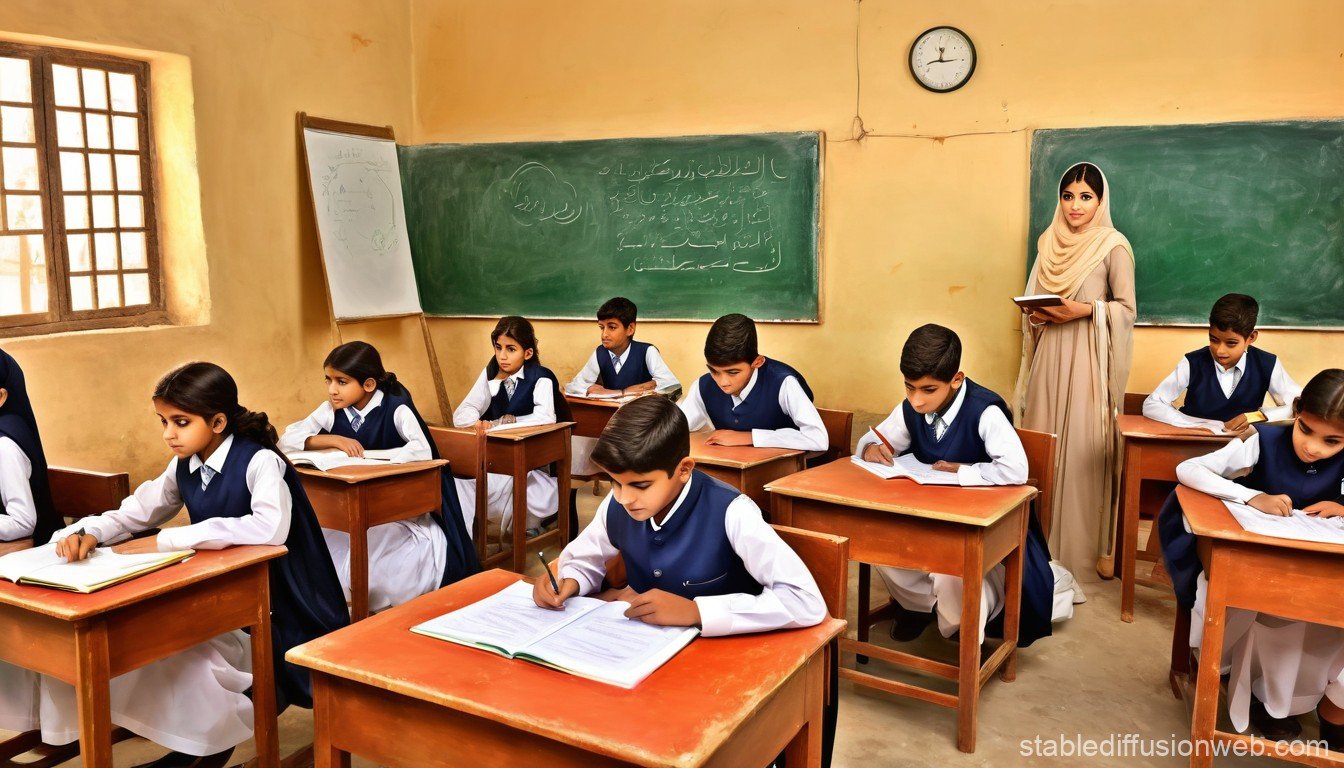
Education system updates in Pakistan refer to changes, reforms, and new decisions in schools, colleges, universities, and technical institutes across the country. These updates affect curriculum, examination systems, teacher training, admissions, and education policies.
Education is a key part of social and economic structure. Any change in education system impacts students, parents, teachers, and institutions. This article explains current updates in education system in Pakistan, structure of system, and ongoing developments.
Structure of education system in Pakistan
Education system in Pakistan is divided into different levels.
Main levels include:
- Primary education
- Middle education
- Secondary education
- Higher secondary education
- University education
- Technical and vocational education
Each level has separate rules, curriculum, and assessment system.
Primary education system
Primary education covers early schooling stage. It includes basic subjects such as:
- Mathematics
- Science
- Language
- Social studies
Updates in primary education focus on:
- Enrollment improvement
- Teacher training
- Curriculum revision
- School infrastructure development
Government programs aim to increase school participation rate.
Middle education updates
Middle education connects primary and secondary levels.
Focus areas include:
- Subject continuation
- Skill development introduction
- Examination structure
Updates in this stage include curriculum adjustment and learning material improvement.
Secondary education system updates
Secondary education includes classes where board examination preparation begins.
Updates include:
- Exam pattern changes
- Subject grouping system
- Grading structure updates
- Board examination schedule adjustments
Boards of education manage this system in different provinces.
Higher secondary education updates
Higher secondary education is important for university entry.
Key areas:
- Intermediate programs
- Pre-medical and pre-engineering streams
- Commerce and arts groups
Updates include:
- Assessment reforms
- Practical exam changes
- Admission criteria adjustments
University education system
University education includes undergraduate and postgraduate studies.
Updates include:
- Semester system expansion
- Online education programs
- Research development programs
- Degree structure updates
Universities focus on academic and research improvement.
Curriculum changes in education system
Curriculum updates are made to improve learning content.
Changes include:
- New subject introduction
- Content revision
- Skill-based learning inclusion
- Digital learning content
These updates aim to match education with modern needs.
Examination system updates
Examination system is an important part of education structure.
Updates include:
- Board exam scheduling changes
- Digital result systems
- Grading system introduction
- Paper checking improvements
These changes aim to improve transparency.
Teacher training programs
Teacher training is part of education system improvement.
Programs include:
- Training workshops
- Skill development courses
- Teaching method improvement
- Digital teaching training
Teachers play key role in education system quality.
Admission system updates
Admission system updates affect school and university entry.
Changes include:
- Online admission systems
- Merit-based selection
- Admission schedule updates
- Document verification process
Digital systems are increasingly used.
Technical and vocational education
Technical education focuses on skill-based learning.
Programs include:
- Engineering skills
- IT training
- Mechanical training
- Vocational courses
Updates include expansion of technical institutes.
Digital education development
Digital education is part of modern system updates.
Includes:
- Online classes
- Learning management systems
- Virtual classrooms
- Digital content sharing
Digital education became important during recent years.
Private and public education system
Education system includes both sectors.
Public education:
- Government schools and colleges
- Free or low-cost education
- Government funded institutions
Private education:
- Fee-based institutions
- Private curriculum structure
- Additional academic programs
Updates affect both systems.
Education policy reforms
Education policy defines rules for entire system.
Reforms include:
- Curriculum standardization
- Language policy updates
- Assessment system changes
- Institutional regulation updates
Policy changes guide education direction.
Literacy rate improvement programs
Government focuses on literacy improvement.
Programs include:
- School enrollment drives
- Adult education programs
- Rural education expansion
- Awareness campaigns
These programs aim to increase literacy level.
Challenges in education system
Education system faces several challenges.
Common issues:
- School dropout rate
- Resource shortage
- Teacher availability
- Infrastructure gaps
- Urban-rural difference
These issues affect education quality.
Role of technology in education
Technology supports learning and administration.
Uses include:
- Online classes
- Digital exams
- Student management systems
- E-learning platforms
Technology improves access to education.
Higher education reforms
Higher education institutions undergo reforms.
Focus areas:
- Research development
- International collaboration
- Degree recognition system
- Academic standards improvement
Universities work on quality improvement.
Scholarship programs
Scholarships support students financially.
Types include:
- Merit-based scholarships
- Need-based scholarships
- Government scholarships
- Foreign study programs
These programs support education access.
Education and employment connection
Education system is linked with employment opportunities.
Effects:
- Skill development
- Job market readiness
- Technical training programs
- Internship systems
Education helps in employment preparation.
Role of provincial education boards
Provincial boards manage education system.
Functions:
- Examination management
- Curriculum implementation
- School regulation
- Result publication
Each province has separate boards.
Online education system growth
Online education system is expanding.
Includes:
- Virtual classrooms
- Recorded lectures
- Online exams
- Digital assignments
Online system supports flexible learning.
Conclusion
Education system updates in Pakistan include changes in curriculum, examinations, digital learning, teacher training, and admission systems. These updates affect students, teachers, and institutions across all education levels.
The education system continues to develop through policy reforms, technology integration, and structural improvements. Understanding these updates helps in following changes in academic system and planning education path.