
Introduction
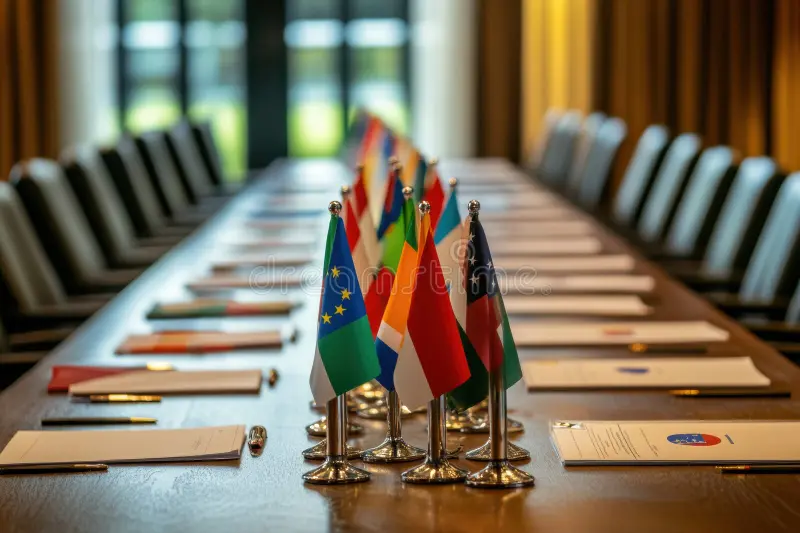
Middle East peace developments update refers to information about diplomatic talks, agreements, conflicts, and negotiation efforts in the Middle East region. The region includes multiple countries with political, economic, and security connections. Peace developments are linked with international relations, trade routes, and regional stability.
This article explains peace process structure, key actors, conflict background, negotiation efforts, and current developments.
Meaning of peace developments
Peace developments refer to steps taken to reduce conflict and improve cooperation between countries or groups.
It includes:
- Diplomatic talks
- Ceasefire agreements
- Treaty discussions
- Mediation efforts
- Regional cooperation
These steps aim to manage conflict situations.
Regional structure of Middle East
The Middle East region includes multiple countries with different political systems.
Key elements:
- Governments
- Political groups
- Regional alliances
- International partners
Each country has separate interests and policies.
Historical background of conflicts
Conflicts in the region are linked with:
- Territorial disputes
- Political differences
- Resource control
- Historical agreements
These factors influence current relations.
Role of diplomacy in peace process
Diplomacy is used to manage relations between states.
Includes:
- Official meetings
- Ambassador communication
- International negotiations
- Mediation by third parties
Diplomacy is central to peace efforts.
Role of international organizations
International organizations participate in peace efforts.
Includes:
- United Nations
- Regional councils
- Mediation groups
These organizations support negotiation processes.
Ceasefire agreements
Ceasefire agreements are used to reduce conflict activity.
Includes:
- Temporary stopping of conflict
- Monitoring systems
- Verification mechanisms
Ceasefires are part of peace negotiations.
Peace negotiation process
Peace negotiations follow structured steps.
Process includes:
- Initial contact
- Discussion stage
- Agreement drafting
- Implementation planning
- Monitoring system
Negotiations take time and coordination.
Political dialogue systems
Political dialogue is used between parties.
Includes:
- Government meetings
- Delegation talks
- Policy discussions
Dialogue helps reduce tensions.
Security situation impact
Security situation affects peace efforts.
Includes:
- Military activity
- Border control systems
- Security agreements
Security conditions influence negotiations.
Economic factors in peace process
Economy plays role in peace developments.
Includes:
- Trade relations
- Energy cooperation
- Investment agreements
Economic stability supports peace efforts.
Trade relations in region
Trade links countries in the region.
Includes:
- Oil trade
- Goods exchange
- Transport routes
Trade relations affect political relations.
Energy cooperation systems
Energy sector is part of regional cooperation.
Includes:
- Oil supply agreements
- Gas pipelines
- Energy distribution systems
Energy cooperation connects countries.
Refugee and migration issues
Conflict situations create migration.
Includes:
- Refugee movement
- Border migration
- Humanitarian support systems
Migration affects regional policies.
Humanitarian aid systems
Humanitarian support is part of peace process.
Includes:
- Food aid
- Medical support
- Shelter programs
Aid supports affected populations.
Role of mediation countries
Some countries act as mediators.
Functions:
- Hosting talks
- Facilitating communication
- Supporting agreements
Mediation helps negotiation process.
United Nations role
United Nations supports peace efforts.
Includes:
- Peacekeeping missions
- Negotiation support
- Monitoring systems
UN participates in conflict resolution.
Regional alliances
Regional alliances influence peace process.
Includes:
- Political alliances
- Security agreements
- Economic cooperation groups
Alliances affect negotiation dynamics.
Conflict resolution mechanisms
Conflict resolution includes structured methods.
Includes:
- Negotiation
- Arbitration
- Mediation
These systems manage disputes.
Public impact of conflicts
Conflicts affect daily life.
Includes:
- Displacement
- Economic disruption
- Infrastructure damage
Public conditions influence peace demand.
Media role in peace developments
Media reports peace and conflict updates.
Includes:
- News reporting
- Analysis programs
- Public information sharing
Media affects public perception.
Communication channels in negotiations
Communication is managed through official channels.
Includes:
- Diplomatic channels
- International meetings
- Written agreements
Communication ensures coordination.
Peace agreement implementation
Implementation is key part of peace process.
Includes:
- Agreement execution
- Monitoring systems
- Verification teams
Implementation determines success.
Challenges in peace process
Peace process faces challenges:
- Political differences
- Trust issues
- Security incidents
- External influence
These factors slow progress.
International relations impact
Global relations affect regional peace.
Includes:
- Foreign policy decisions
- Strategic alliances
- Economic ties
International actors influence developments.
Role of sanctions and policies
Sanctions affect political behavior.
Includes:
- Trade restrictions
- Financial limitations
- Policy pressure
Sanctions are part of diplomatic tools.
Future peace outlook
Future developments depend on:
- Dialogue continuation
- Economic cooperation
- Security arrangements
- International support
Peace process remains ongoing.
Conclusion
Middle East peace developments update refers to diplomatic efforts, negotiations, and agreements in the region. These developments involve political, economic, and security factors.
Understanding peace processes helps in analyzing regional stability, international relations, and conflict resolution systems.