
Introduction
Energy crisis update and solutions refers to information about energy supply situation, demand pattern, shortages, and response measures used to manage electricity, fuel, and gas systems. Energy is required for homes, transport, industry, agriculture, and communication systems. When supply does not match demand, an energy crisis situation develops.
This article explains energy crisis structure, causes, impact, and possible solutions in a structured way.
Meaning of energy crisis
Energy crisis is a situation where available energy supply is less than required demand. This can happen in electricity, gas, or fuel systems.
Types include:
- Electricity shortage
- Gas shortage
- Fuel supply gap
Energy crisis affects both urban and rural areas.
Energy system structure
Energy system includes different sources and distribution networks.
Main sources:
- Thermal power generation
- Hydropower plants
- Gas-based generation
- Renewable energy systems
Energy is distributed through national grid systems.
Electricity generation system
Electricity is generated through multiple sources.
Process includes:
- Power generation plants
- Transmission lines
- Distribution networks
Electricity supply depends on fuel availability and infrastructure condition.
Gas supply system
Gas is used for cooking, heating, and industrial production.
System includes:
- Gas extraction
- Pipeline network
- Distribution points
Gas shortage affects household and industrial activity.
Fuel supply system
Fuel includes petrol and diesel used in transport and industry.
Supply chain includes:
- Import of crude oil
- Refining process
- Distribution to stations
Fuel availability affects transport cost.
Causes of energy crisis
Energy crisis occurs due to multiple factors.
Main causes:
- High energy demand
- Limited generation capacity
- Fuel import dependency
- Infrastructure limitations
- Financial constraints
These factors combine to create supply gaps.
Electricity demand increase
Electricity demand increases due to:
- Population growth
- Urban development
- Industrial expansion
- Use of electrical appliances
Demand growth puts pressure on supply system.
Industrial energy consumption
Industry uses large amount of energy.
Includes:
- Manufacturing units
- Textile industry
- Cement production
- Small industries
Industrial activity depends on stable energy supply.
Household energy usage
Households use energy for daily needs.
Includes:
- Lighting
- Cooking
- Heating and cooling
- Electronic devices
Household demand increases during peak seasons.
Transport sector energy use
Transport system depends on fuel energy.
Includes:
- Road transport
- Rail transport
- Air transport
Fuel availability affects transport system operation.
Agricultural energy usage
Agriculture uses energy for:
- Water pumping systems
- Machinery operation
- Storage systems
Energy shortage affects farming activities.
Electricity load shedding
Load shedding is controlled electricity shutdown.
Reasons:
- Supply shortage
- System overload
- Maintenance work
Load shedding affects daily routines.
Gas shortage situation
Gas shortage affects households and industries.
Effects:
- Cooking delays
- Industrial production slowdown
- Heating system disruption
Gas management is part of energy planning.
Fuel price and energy crisis link
Fuel price affects energy system stability.
When fuel cost increases:
- Electricity generation cost increases
- Transport cost increases
- Industrial cost increases
Energy crisis becomes more complex.
Infrastructure challenges
Energy infrastructure includes plants, grids, and pipelines.
Challenges:
- Old transmission systems
- Technical faults
- Maintenance delays
Infrastructure improvement is required for stability.
Financial issues in energy sector
Energy system requires financial investment.
Issues include:
- Circular debt
- Payment delays
- Subsidy pressure
Financial problems affect supply system.
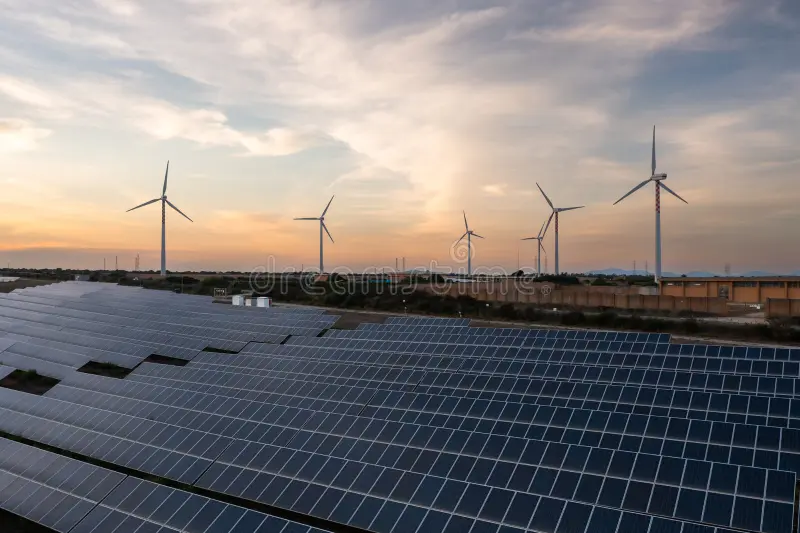
Renewable energy system
Renewable energy includes alternative sources.
Types:
- Solar energy
- Wind energy
- Hydropower
- Biomass energy
Renewable systems reduce dependency on fuel imports.
Solar energy development
Solar energy system uses sunlight for electricity generation.
Includes:
- Solar panels
- Grid connection systems
- Storage batteries
Solar energy supports decentralized supply.
Wind energy system
Wind energy uses air movement for electricity.
Includes:
- Wind turbines
- Grid integration
- Monitoring systems
Wind energy is used in selected regions.
Hydropower generation
Hydropower uses water flow for electricity.
Includes:
- Dams
- Water turbines
- Reservoir systems
Hydropower depends on water availability.
Energy conservation methods
Energy conservation reduces demand pressure.
Methods include:
- Efficient appliance use
- Reduced wastage
- Time-based usage planning
Conservation helps balance supply and demand.
Government role in energy crisis
Government manages energy sector through policy and planning.
Responsibilities:
- Energy production planning
- Tariff regulation
- Investment support
- Infrastructure development
Government actions affect energy stability.
Private sector role
Private sector contributes to energy production.
Includes:
- Power generation companies
- Renewable energy projects
- Industrial energy systems
Private investment supports capacity increase.
International energy dependency
Many countries depend on imported fuel.
Effects:
- Price fluctuation impact
- Supply dependency
- Currency pressure
Import dependency affects energy stability.
Energy distribution system
Energy distribution delivers electricity and gas to users.
Includes:
- Grid network
- Distribution companies
- Metering systems
Distribution efficiency affects supply quality.
Technology in energy management
Technology improves energy system control.
Includes:
- Smart meters
- Monitoring systems
- Automated grid control
Technology supports efficiency improvement.
Energy crisis impact on economy
Energy crisis affects economic activity.
Effects:
- Industrial slowdown
- Employment impact
- Production cost increase
- Export reduction
Energy stability is linked with economic performance.
Public impact of energy shortage
Public life is affected by energy issues.
Includes:
- Daily routine disruption
- Business delays
- Transport issues
Energy availability affects lifestyle.
Energy planning system
Energy planning includes long-term strategy.
Focus areas:
- Production expansion
- Resource management
- Infrastructure upgrade
Planning helps reduce crisis risk.
Future energy solutions
Future solutions focus on stability and diversification.
Includes:
- Renewable energy expansion
- Energy efficiency programs
- Infrastructure modernization
- Policy reforms
These steps aim to balance supply and demand.
Conclusion
Energy crisis update and solutions explains the situation of electricity, gas, and fuel supply systems. Energy demand depends on population, industry, and transport systems. Supply issues arise due to infrastructure, financial, and resource limitations.
Solutions include renewable energy development, infrastructure improvement, and energy conservation. Understanding energy system helps in planning economic and daily life activities.