
Introduction
Pakistan infrastructure projects update refers to information about ongoing and planned development work in transport, energy, water, housing, and communication systems across the country. Infrastructure development is linked with economic activity, trade movement, and public services.
This article explains infrastructure structure, major project types, development process, and current progress in Pakistan.
Meaning of infrastructure development
Infrastructure development means construction and maintenance of systems that support economic and social activity.
It includes:
- Roads and highways
- Railways
- Bridges
- Airports
- Power plants
- Water supply systems
- Urban development projects
These systems support daily life and business operations.
Transport infrastructure projects
Transport infrastructure includes road, rail, and air systems.
Road network projects
Road projects include:
- Motorways
- National highways
- Urban roads
- Ring roads
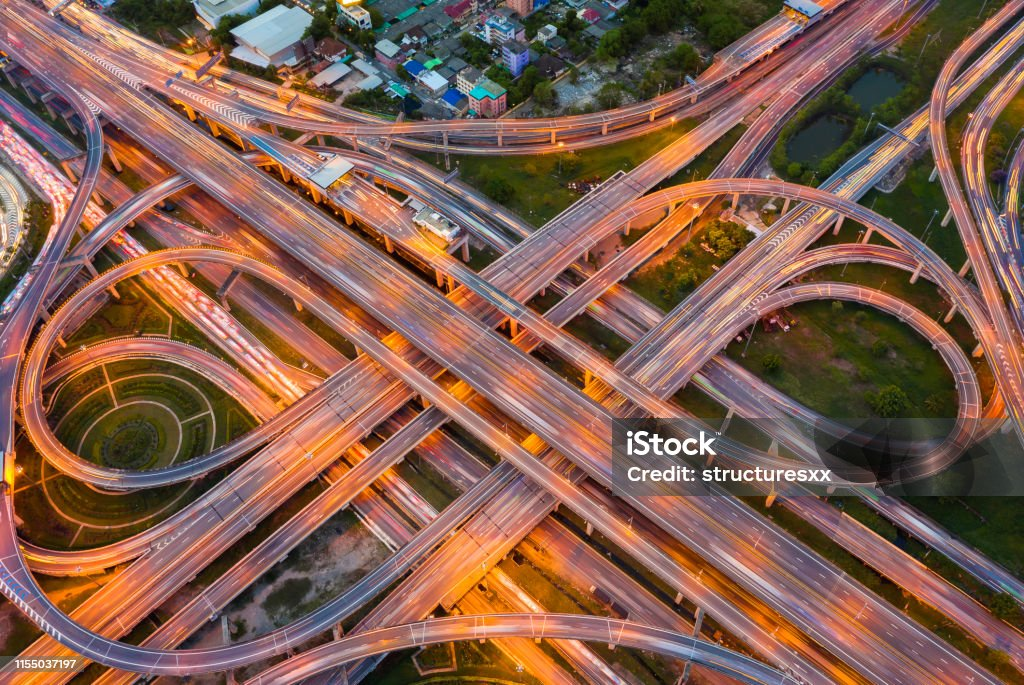
These projects connect cities and improve transport movement.
Railway system projects
Railway development includes:
- Track renovation
- New railway lines
- Signal system improvement
- Freight service upgrades
Rail transport supports goods and passenger movement.
Airport development projects
Airport projects include:
- Terminal expansion
- Runway upgrades
- Cargo handling systems
- Air traffic systems
Air transport supports domestic and international travel.
Energy infrastructure projects
Energy infrastructure supports electricity and fuel supply.
Power generation projects
Power projects include:
- Thermal power plants
- Hydropower stations
- Solar energy plants
- Wind energy systems
These projects support electricity supply.
Transmission system projects
Transmission system includes:
- High voltage lines
- Grid stations
- Distribution networks
This system delivers electricity to users.
Water infrastructure projects
Water projects support agriculture and urban supply.
Includes:
- Dams
- Canals
- Water storage systems
- Urban water supply networks
Water management is important for farming and households.
Urban development projects
Urban development focuses on city planning and services.
Includes:
- Housing schemes
- Road expansion in cities
- Sewerage systems
- Public transport systems
Urban projects support population growth.
Housing development projects
Housing projects include:
- Low-cost housing schemes
- Apartment construction
- Urban settlement planning
Housing development supports population needs.
Industrial zone projects
Industrial zones support business and manufacturing.
Includes:
- Special economic zones
- Industrial parks
- Export processing areas
These zones support job creation and production.
Communication infrastructure
Communication infrastructure supports digital connectivity.
Includes:
- Internet networks
- Fiber optic systems
- Mobile tower installation
- Data centers
Digital infrastructure supports online services.
Transport corridor projects
Transport corridors connect regions for trade.
Includes:
- Highway corridors
- Rail freight routes
- Trade route systems
These projects support regional connectivity.
Public-private partnership projects
Many infrastructure projects use joint investment systems.
Includes:
- Government funding
- Private sector investment
- Joint development agreements
This system supports project financing.
Construction process of infrastructure projects
Infrastructure projects follow structured steps.
Process includes:
- Planning stage
- Design preparation
- Funding approval
- Construction work
- Monitoring system
- Completion and operation
Each step involves different departments.
Role of government in infrastructure development
Government manages infrastructure projects.
Responsibilities:
- Project approval
- Budget allocation
- Regulation control
- Monitoring progress
Government ensures project execution.
Role of private sector
Private companies participate in development.
Includes:
- Construction firms
- Engineering companies
- Investment groups
Private sector supports project completion.
Economic impact of infrastructure projects
Infrastructure projects affect economy.
Effects:
- Job creation
- Business activity increase
- Transport cost reduction
- Trade improvement
Infrastructure supports economic movement.
Employment generation through projects
Infrastructure development creates jobs.
Includes:
- Construction workers
- Engineers
- Technical staff
- Transport workers
Employment increases during project phases.
Regional development projects
Projects are distributed across regions.
Includes:
- Urban development
- Rural connectivity
- Industrial expansion areas
Regional projects support balanced development.
Energy corridor projects
Energy corridors support power distribution.
Includes:
- Transmission lines
- Cross-region energy transfer
- Grid connectivity projects
These systems improve energy flow.
Water management system projects
Water management projects include:
- Flood control systems
- Irrigation expansion
- Water conservation systems
These projects support agriculture and cities.
Challenges in infrastructure projects
Infrastructure projects face challenges:
- Funding limitations
- Construction delays
- Land acquisition issues
- Technical problems
These challenges affect project timelines.
Foreign investment in infrastructure
Foreign investment supports large projects.
Includes:
- Construction funding
- Technology transfer
- Joint ventures
Foreign investment supports project scale.
Technology use in construction
Modern technology is used in infrastructure.
Includes:
- Digital mapping systems
- Engineering software
- Monitoring tools
Technology improves project management.
Transport system improvement projects
Transport improvement includes:
- Road widening
- Traffic management systems
- Railway upgrades
These systems improve movement efficiency.
Environmental considerations
Infrastructure projects include environmental planning.
Includes:
- Impact assessment
- Resource management
- Waste control systems
Environmental planning supports sustainability.
Future infrastructure planning
Future development focuses on:
- Smart cities
- Digital infrastructure
- Renewable energy systems
- High-speed transport systems
Planning continues for long-term growth.
Conclusion
Pakistan infrastructure projects update covers development in transport, energy, water, housing, and communication systems. These projects support economic activity, job creation, and public services.
Infrastructure development plays a key role in connecting regions, improving trade, and supporting daily life systems.