
Introduction
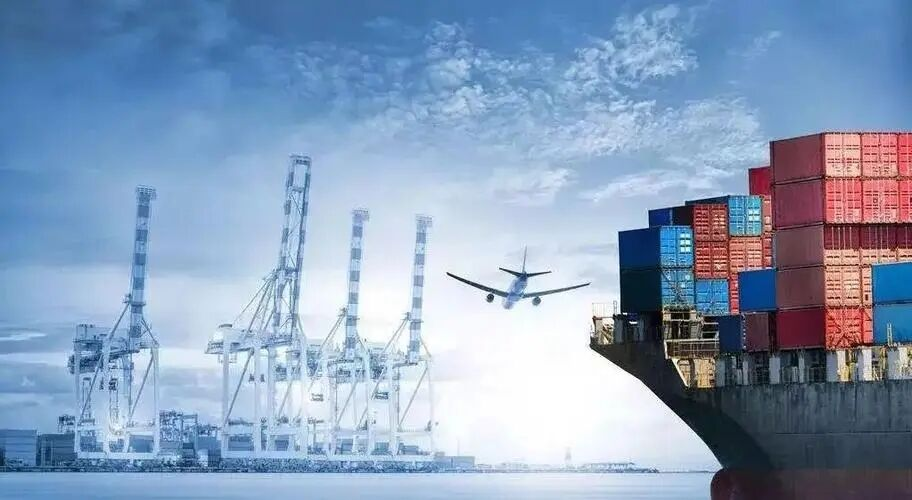
Global economy latest update 2026 refers to information about worldwide economic activity including trade, production, inflation, employment, currency movement, and financial systems. The global economy connects countries through imports, exports, investment, and technology flow.
This article explains global economic structure, major sectors, ongoing changes, and key factors affecting economic activity in 2026.
Meaning of global economy
Global economy is a system where countries are connected through trade, finance, and production. Economic activity in one country affects others through markets and supply chains.
Main components:
- International trade
- Foreign investment
- Currency exchange system
- Global production networks
Structure of global economy
Global economy includes multiple regions and sectors.
Main regions:
- Developed economies
- Developing economies
- Emerging markets
Each region has different economic roles.
International trade system
Trade is central part of global economy.
Includes:
- Export of goods
- Import of goods
- Service trade
- Digital trade
Trade links countries through exchange of products and services.
Global inflation situation
Inflation affects price levels across countries.
Causes include:
- Energy price changes
- Supply chain disruptions
- Demand fluctuations
- Currency changes
Inflation affects purchasing power globally.
Currency exchange system
Currency exchange determines value between different currencies.
Key currencies include:
- US dollar
- Euro
- British pound
- Japanese yen
Exchange rates affect trade and investment.
Global employment situation
Employment trends vary across countries.
Factors:
- Industrial growth
- Technology development
- Service sector expansion
Employment rate reflects economic performance.
International investment flow
Foreign investment connects economies.
Includes:
- Direct investment
- Portfolio investment
- Business expansion
Investment supports industrial development.
Energy market situation
Energy market affects global economy.
Includes:
- Oil production
- Gas supply
- Renewable energy expansion
Energy prices impact production cost.
Global supply chain system
Supply chain connects production and distribution.
Includes:
- Manufacturing networks
- Transport systems
- Logistics operations
Supply chain disruptions affect global trade.
Manufacturing sector activity
Manufacturing is a key part of global economy.
Includes:
- Industrial production
- Electronics manufacturing
- Automotive industry
- Textile production
Manufacturing depends on raw materials and energy.
Technology sector growth
Technology sector affects global economy structure.
Includes:
- Software development
- Artificial intelligence systems
- Digital platforms
- Cloud services
Technology supports productivity.
Digital economy expansion
Digital economy includes online business activity.
Includes:
- E-commerce platforms
- Online payments
- Remote work systems
Digital systems change traditional business models.
Global financial system
Financial system manages international money flow.
Includes:
- Banking systems
- Stock markets
- Investment funds
- Central banks
Financial system supports global transactions.
Stock market performance
Stock markets reflect business activity.
Factors:
- Corporate earnings
- Economic policy
- Investor behavior
Markets react to global economic changes.
Trade balance situation
Trade balance shows difference between exports and imports.
Types:
- Trade surplus
- Trade deficit
Trade balance affects currency value.
Emerging markets situation
Emerging markets are developing economies.
Characteristics:
- Industrial growth
- Increasing trade activity
- Expanding workforce
These markets contribute to global growth.
Developed economies situation
Developed economies have stable systems.
Includes:
- Strong financial systems
- Advanced technology use
- High industrial output
These economies influence global trends.
Global debt situation
Debt is part of financial system.
Includes:
- Government debt
- Corporate debt
- International loans
Debt levels affect financial stability.
Inflation control policies
Countries use policies to control inflation.
Includes:
- Interest rate changes
- Monetary policy adjustments
- Fiscal planning
Policies aim to stabilize prices.
Central bank role
Central banks manage currency and inflation.
Functions:
- Interest rate control
- Money supply management
- Financial regulation
Central banks stabilize economies.
International trade agreements
Trade agreements connect countries.
Includes:
- Free trade agreements
- Bilateral agreements
- Regional trade systems
Agreements support trade flow.
Global labor market
Labor market connects workforce across countries.
Includes:
- Skilled labor migration
- Remote work systems
- International employment
Labor movement affects economies.
Transportation and logistics
Transport system supports global trade.
Includes:
- Shipping industry
- Air cargo
- Rail transport
Logistics connects markets.
Agriculture in global economy
Agriculture supports food supply system.
Includes:
- Crop production
- Food export systems
- Agricultural trade
Agriculture is part of global supply chain.
Climate impact on economy
Climate conditions affect economic activity.
Includes:
- Agricultural output changes
- Energy demand variation
- Disaster-related disruptions
Climate factors influence production.
Global economic challenges
Main challenges include:
- Inflation pressure
- Debt levels
- Supply chain issues
- Energy cost variation
- Trade imbalance
These factors affect global stability.
Economic recovery trends
Recovery patterns depend on:
- Policy support
- Investment flow
- Trade activity
Recovery varies across regions.
Role of international organizations
Organizations support global economy.
Includes:
- Financial support programs
- Trade regulation guidance
- Economic research
These organizations influence policies.
Future global economy direction
Future direction depends on:
- Technology growth
- Energy transition
- Trade expansion
- Financial system changes
Global economy continues to evolve.
Conclusion
Global economy latest update 2026 covers trade, finance, production, inflation, and employment across countries. Economic activity is connected through international systems and policy decisions.
Understanding global economy helps in analyzing market trends, investment behavior, and international trade systems.