
Introduction
International oil price trends refers to movement of crude oil prices in global markets over time. Oil prices are influenced by supply levels, demand changes, production decisions, transport routes, political events, and economic conditions.
Oil is used in transport, industry, electricity generation, and chemical production. Changes in oil price affect many countries because most economies depend on oil imports or exports.
This article explains how oil prices move, what factors affect them, and how global systems respond.
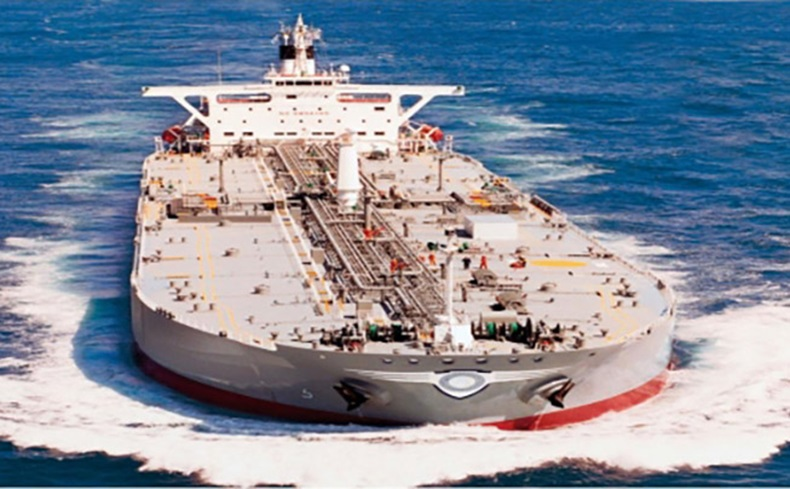
Meaning of oil price trend
Oil price trend refers to direction of price movement in global crude oil markets.
It can be:
- Increase in price level
- Decrease in price level
- Stable movement over time
- Short term fluctuation
Price trends are observed in international markets such as Brent crude and WTI crude.
Global oil market structure
Oil market operates at international level.
Main participants:
- Oil producing countries
- Oil importing countries
- Energy companies
- Trading markets
Key organizations:
- OPEC (Organization of the Petroleum Exporting Countries)
- Non-OPEC producers
These groups influence supply levels.
Oil supply system
Oil supply comes from production and export systems.
Includes:
- Oil drilling sites
- Refining facilities
- Export terminals
- Shipping routes
Supply levels affect global prices.
Oil demand system
Oil demand depends on consumption activity.
Main sectors:
- Transport system
- Industrial production
- Aviation sector
- Power generation
Demand changes affect price movement.
Role of OPEC in oil pricing
OPEC plays role in supply control.
Functions:
- Production quota setting
- Supply coordination
- Market balance efforts
OPEC decisions affect global supply level.
Non-OPEC production impact
Non-OPEC countries also produce oil.
Includes:
- United States production
- Canada production
- Russia production
- Other producers
Non-OPEC supply affects global balance.
Crude oil types in market
Two major oil benchmarks:
- Brent crude
- West Texas Intermediate (WTI)
These benchmarks are used for pricing reference.
Supply and demand balance
Oil price depends on balance between supply and demand.
When:
- Supply increases, price may change downward
- Demand increases, price may change upward
Balance changes create market movement.
Economic growth and oil demand
Economic activity affects oil consumption.
Includes:
- Industrial production
- Transport activity
- Trade volume
Higher activity leads to higher oil demand.
Recession impact on oil prices
Economic slowdown affects oil demand.
Effects:
- Reduced industrial activity
- Lower transport usage
- Lower fuel consumption
This reduces demand pressure.
Currency exchange impact
Oil is traded in US dollars.
Currency changes affect:
- Import cost for countries
- Purchasing power of importers
- Trade balance
Exchange rates influence oil cost.
Geopolitical factors
Political events affect oil supply.
Includes:
- Regional conflicts
- Trade restrictions
- Production disruptions
Geopolitical changes affect market stability.
Energy transition impact
Shift to renewable energy affects oil demand.
Includes:
- Solar energy systems
- Wind energy systems
- Electric vehicles
Energy transition reduces long term oil dependency.
Transportation sector demand
Transport system uses large oil volume.
Includes:
- Road transport fuel
- Aviation fuel
- Shipping fuel
Transport demand is a major factor in oil market.
Industrial consumption
Industries use oil-based products.
Includes:
- Manufacturing
- Chemical production
- Construction machinery
Industrial demand affects oil usage.
Stock market and oil prices
Oil prices influence financial markets.
Includes:
- Energy company stocks
- Investment funds
- Commodity trading systems
Market reacts to price changes.
Oil storage and reserves
Countries maintain oil reserves.
Includes:
- Strategic petroleum reserves
- Commercial storage facilities
Reserves are used during supply disruptions.
Shipping and transport routes
Oil transport depends on global shipping.
Includes:
- Tanker routes
- Pipeline systems
- Maritime channels
Route disruption affects supply flow.
Refining process system
Crude oil is refined into products.
Includes:
- Petrol
- Diesel
- Jet fuel
- Petrochemical products
Refining capacity affects supply.
Price volatility in oil market
Oil prices change due to multiple factors.
Includes:
- Supply changes
- Demand shifts
- Political events
- Market speculation
Volatility is part of oil market system.
Role of speculation
Financial trading affects prices.
Includes:
- Futures contracts
- Commodity trading
- Investment activity
Speculation influences short term movement.
Inflation and oil prices
Oil price changes affect inflation.
Effects:
- Transport cost increase
- Production cost increase
- Consumer price impact
Oil is linked with general price level.
Import dependent economies
Countries that import oil are affected more.
Effects:
- Trade deficit pressure
- Currency demand increase
- Budget impact
Oil price changes affect national economies.
Exporting countries impact
Oil exporting countries depend on revenue.
Effects:
- Budget income
- Foreign exchange reserves
- Economic planning
Oil revenue supports national systems.
Renewable energy influence
Renewable energy affects long term demand.
Includes:
- Solar expansion
- Wind projects
- Electric mobility
This reduces oil demand growth rate.
Climate policies impact
Environmental policies influence oil usage.
Includes:
- Emission reduction targets
- Energy efficiency rules
- Transport regulations
Policies affect consumption patterns.
Market forecasting systems
Oil market analysis uses data systems.
Includes:
- Supply tracking
- Demand forecasting
- Price modeling
Forecasting supports planning.
Future oil price direction
Future oil trends depend on:
- Global demand changes
- Energy transition speed
- Production decisions
- Geopolitical conditions
Market continues to adjust over time.
Conclusion
International oil price trends refer to global movement of crude oil prices based on supply, demand, economic activity, and political factors. Oil market connects energy systems, trade, and financial markets across countries.
Understanding oil price trends helps in analyzing global economy, transport systems, and energy planning.